The SOLACE Model (TM)
a sensory comfort and contrast framework for shared environments
What SOLACE is
SOLACE is a research-informed framework for understanding how sensory conditions in shared environments shape comfort, strain, and participation.It examines sound, olfactory conditions, lighting, accessibility, climate, and ergonomics as interacting systems, rather than isolated features.By focusing on contrast, accumulation, and context, SOLACE helps explain why environments that meet technical standards may still be difficult, exhausting, or unusable for many people.The model is designed to support analysis, assessment, and decision-making across sectors including events, workplaces, education, and public spaces.

What SOLACE is not
While SOLACE can include a certification, it is not only a certification or a badge, and it is not a simple checklist, star rating system, or consumer-facing label.It is not a substitute for legal accessibility standards, medical guidance, or individual accommodation processes, and it does not claim to define a universally “accessible” or “sensory-safe” environment.SOLACE does not reduce sensory experience to a single score or star rating, nor does it treat sensory factors in isolation from context, duration, contrast, or interaction effects.Instead, it is a contrast-aware framework that can support assessment, certification, and design decisions by examining how sensory conditions interact with bodies, expectations, and environments to shape comfort, strain, and participation.
How SOLACE is different
Most sensory inclusion efforts focus on awareness training, tools, or accommodations applied after problems arise.SOLACE focuses earlier in the chain: on environmental conditions, sensory interactions, and contrast patterns that create strain in the first place.Rather than asking individuals to adapt to environments, the model supports environments in adapting to human tolerance.Measurement alone is not treated as sufficient; interpretation, context, and equity considerations remain central.
Traditional approach: Provide earplugs or a sensory 'break space' with fidget toys.SOLACE approach: Examine why the contrast has collapsed in the core environment, causing individuals to need to seek sensory relief
What SOLACE supports
SOLACE can be used to support:• Sensory assessments of shared environments in a variety of contexts
• Design and planning decisions that reduce unnecessary strain
• Certification programs grounded in environmental conditions rather than checklists
• Research, data analysis, and comparative studies
• Cross-sector conversations about comfort, participation, and equityThe framework is intentionally adaptable to different contexts while remaining grounded in consistent principles.
Publications and further reading
• White paper: Google Drive
• Analysis & Data: BQR Blog
• Sensory Survey: Google Form
• Implementation & services: Neuromix

About the SOLACE Model (TM)
SOLACE was developed as an independent framework to address gaps between technical compliance, lived experience, and participation outcomes.It is maintained as a distinct model and may be licensed, adapted, or applied in partnership contexts under defined terms.
SOLACE™ is a proprietary framework developed for research, assessment, and applied use in shared environments.
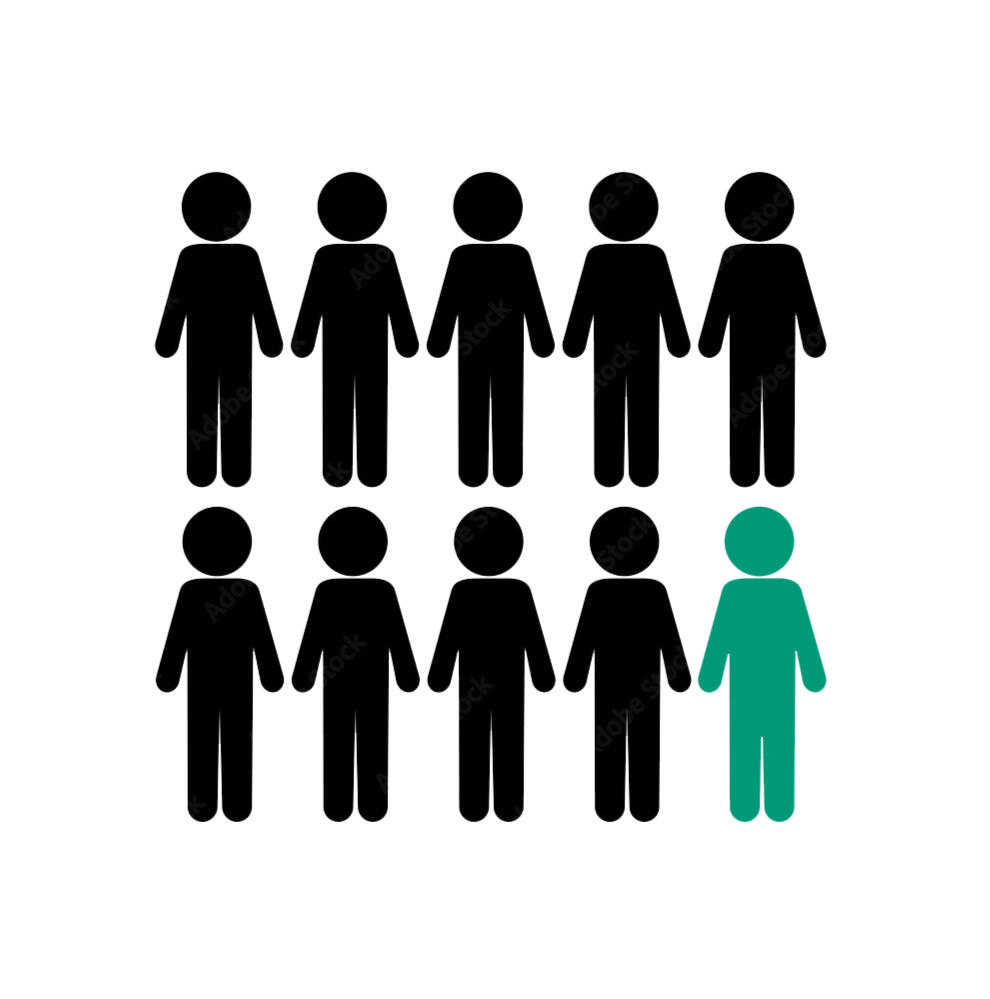
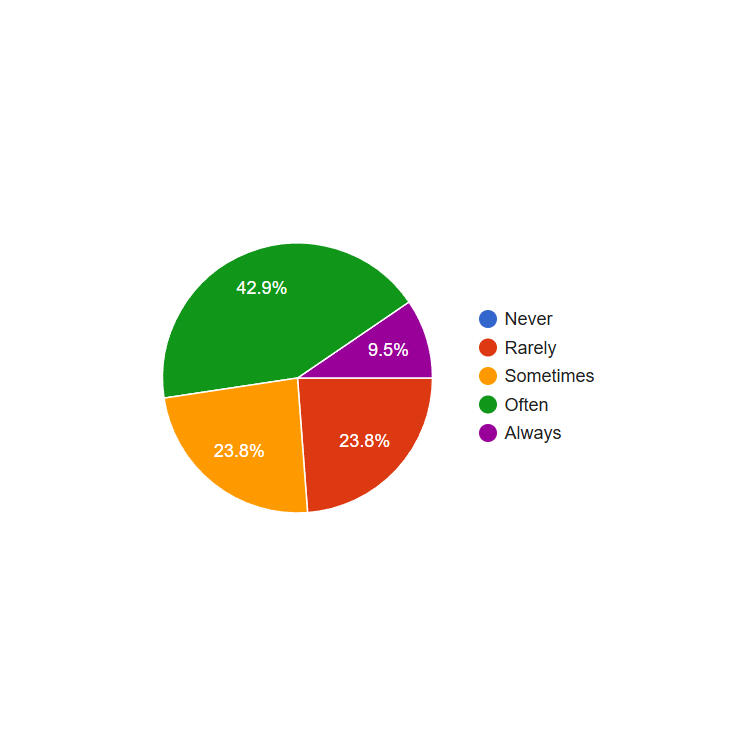
9%
of initial 100 survey respondents reported being consistently comfortable in event environments as they currently exist.
48%
of initial 100 survey respondents identified as neurotypical, yet still reported frequent sensory discomfort in public or event spaces.
>70%
said they leave environments silently rather than request changes, reinforcing invisibility at the system level.
Complete the sensory survey to add your voice.
Testimonials
Alisha Slack
Director, OQCC
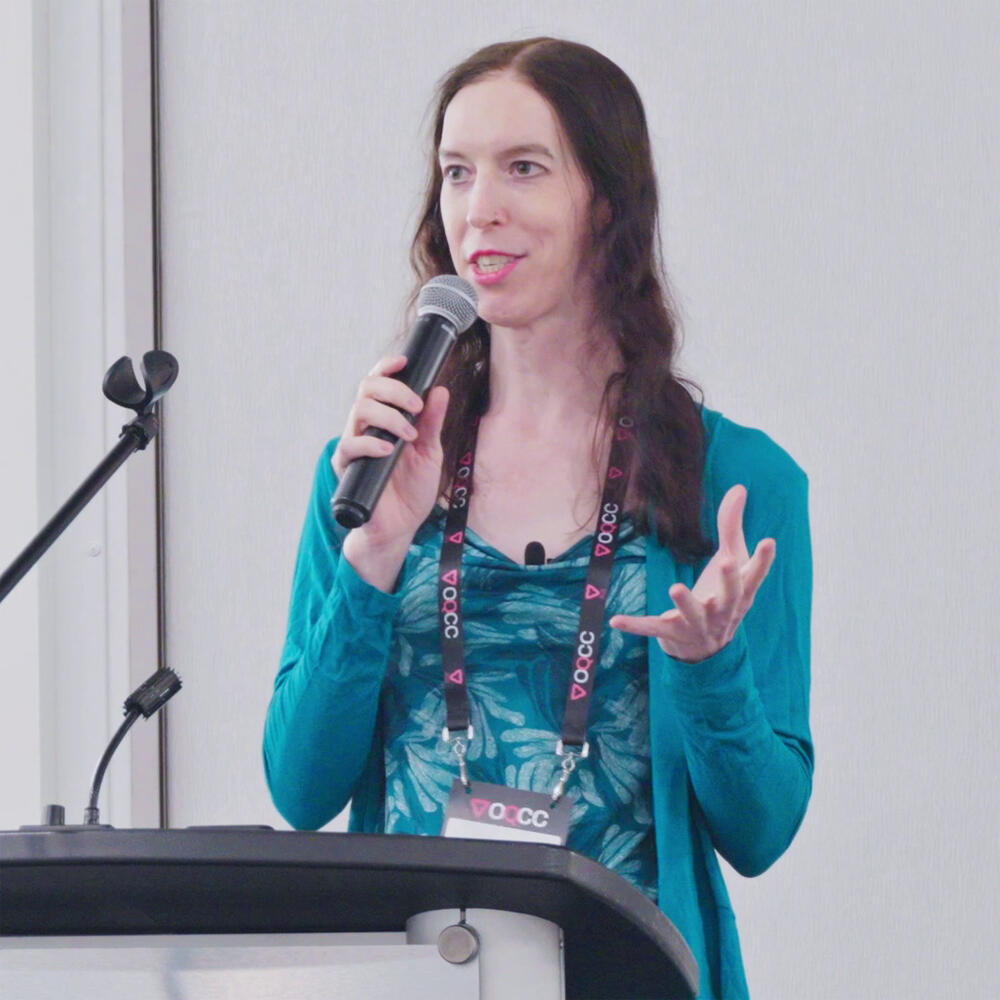
"Thank you so much for your work at our event, we heard amazing feedback about your SOLACE-based facilitation"

Jason Perks
"Neuromix's innovative approach to accessibility was refreshing for me as a neurodivergent person"• attended a SOLACE-grounded facilitation session

Keegan Chambers
"Your webinar was informative without losing me in the details, and it was nerdy in the BEST way!"• attended my Sensory 101 webinar
FAQs
1) "Is SOLACE a certification or a standard?"
SOLACE is a framework that can support structured assessment and in some cases, SOLACE-calibrated certification, but certification is an outcome rather than the core of the model. SOLACE is designed to inform analysis, decision-making, and design across different environments and use cases.2) "Does SOLACE replace accessibility standards or accommodations?"
No. SOLACE does not replace legal accessibility standards, codes, or individual accommodation processes. It is intended to complement existing requirements by addressing sensory conditions that often fall outside formal compliance but still affect participation.3) "Can SOLACE be used in apps, platforms, or other tools?"
SOLACE is available for licensing and partnership implementation. The framework itself is not fully public. Contact us to discuss how it might support your context.4) "Is SOLACE only for neurodivergent people?"
No. SOLACE applies to shared environments used by many different bodies and nervous systems. While it helps explain why some environments are unusable for certain groups, the framework is concerned with participation, comfort, and strain more broadly.5) "Is SOLACE about personal preferences?"
No. While the model is informed by lived experience, and individual experiences do matter, SOLACE focuses on environmental conditions, sensory contrast, and interaction effects rather than subjective preference alone. The framework is grounded in observable conditions and their cumulative impact over time and context.
Physical & Sensory Access are Siblings
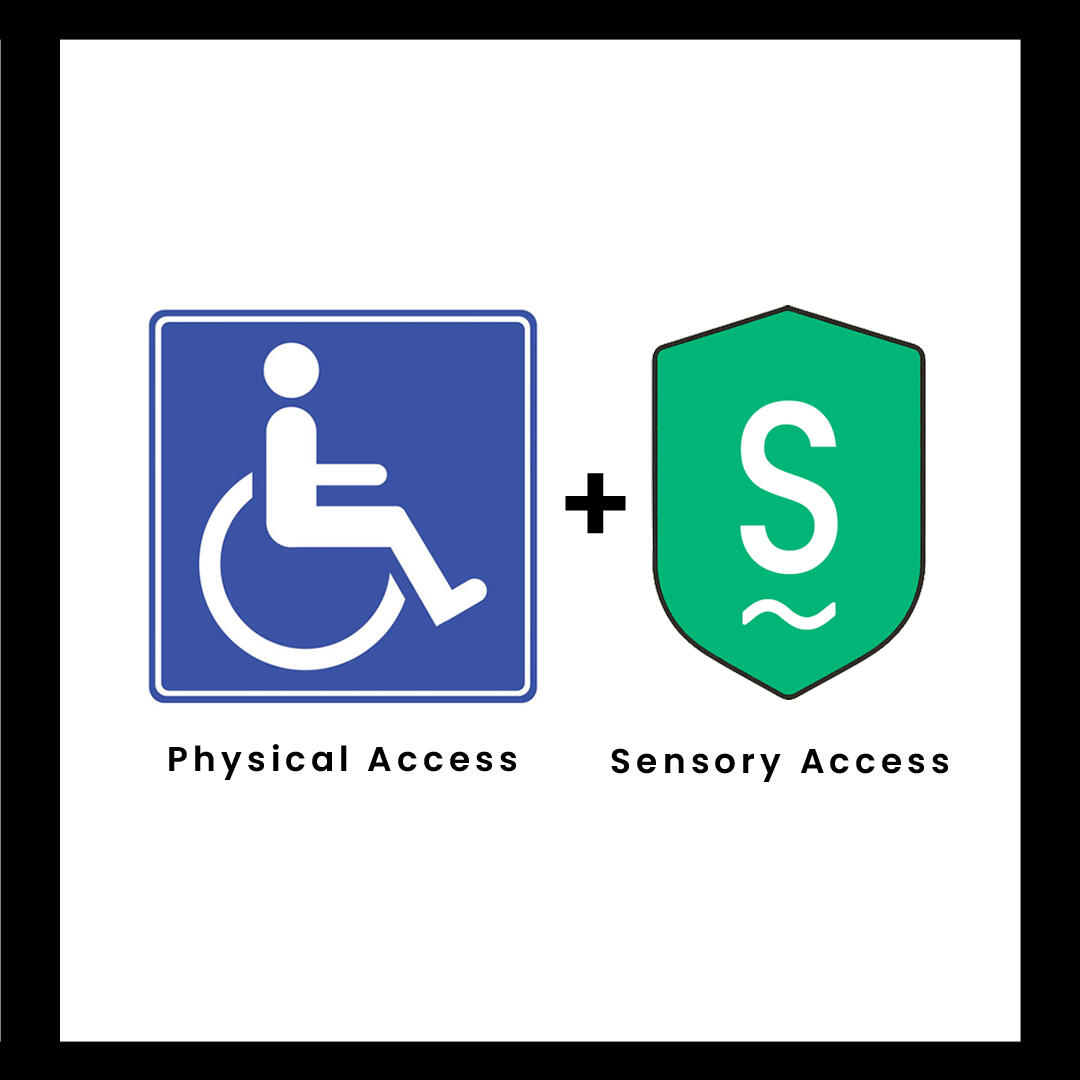
Physical access and sensory access address different barriers.Physical access removes structural barriers to entry.Sensory access addresses environmental conditions that shape whether people can remain present, regulated, and engaged.SOLACE focuses on this sensory layer, complementing existing accessibility standards rather than replacing them.The green sensory badge is offered as a suggested companion to the blue physical access badge, indicating attention to sensory conditions. It is not a certification.
For detailed methodology, interpretation logic, or implementation, please refer to published materials or contact the framework maintainer.

© 2025 Neuromix Consulting. All rights reserved.
Big Value, Reasonable Cost
Book your Sensory Comfort Coaching session today:
$250 CAD - Founding Client Pricing
Limited monthly spots available.
You're getting personalized sensory expertise at an introductory rate.
